.png)

.png)
Vinyl vs. Wood Windows: Decoding the Best Choice for 2025 Utah Upgrades
Quick Comparison: Vinyl vs. Wood at a Glance
Before diving into the details, here's a side-by-side snapshot to help Utah homeowners weigh their 2025 window replacement options against our state's demanding climate—from arid St. George summers to snowy Park City winters.
Feature | Vinyl Windows | Wood Windows |
Cost per Window | $300–$600 (affordable entry point) | $500–$1,000 (premium investment) |
Maintenance | Low—wipe clean, no painting needed | Moderate—periodic staining/sealing |
Durability | Excellent in dust/UV; warp-resistant | High with cladding; natural expansion |
Energy Efficiency | R-value ~3.0; great argon fills | R-value up to 4.0; superior insulation |
Aesthetics | Sleek, modern profiles | Warm, customizable grains/finishes |
Lifespan | 20–40 years | 30+ years with care |
Best for Utah | Dusty valleys (e.g., Magna) | Mountain cabins (e.g., Heber) |
This table highlights why vinyl dominates 70% of Utah installs for its bang-for-buck resilience, while wood appeals to those craving character in 2025's rustic-modern hybrid trends.
With October 2025 ushering in cooler evenings across the Beehive State, upgrading your windows isn't just about aesthetics—it's a strategic move for comfort and savings. At 2 Brothers Team, we've helped hundreds navigate this vinyl vs. wood debate, tailoring choices to local needs like wind resistance in Ogden or thermal performance in Draper.
Pros and Cons: Vinyl's Practical Edge
Vinyl windows have surged in 2025 popularity for their no-fuss appeal, especially in Utah's variable weather where dust storms in Tooele or inversions in Salt Lake demand low-maintenance heroes.
Pros:
Budget-Friendly Efficiency: Multi-chamber designs trap heat like pros, qualifying for Utah energy rebates and cutting bills by 20-30%.
UV and Fade Resistance: Perfect for sunny Spanish Fork exposures—no yellowing over time.
Easy Install: Lightweight for quick swaps during your window replacement appointment.
Cons:
Limited Customization: Fewer stain options, though 2025 colors like matte black mimic wood vibes.
Less "Premium" Feel: Synthetic look may not suit historic Layton homes.
For a West Valley City family we served last month, vinyl sliders transformed their patio access—durable against summer monsoons, with zero upkeep hassles.
Pros and Cons: Wood's Timeless Charm
Wood windows are rebounding in 2025 with eco-treated, aluminum-clad hybrids that blend tradition with toughness, ideal for Utah's elevation shifts causing material stress.
Pros:
Natural Insulation: Higher R-values keep Heber cabins cozy, reducing reliance on gas heat.
Aesthetic Versatility: Stain to match your Farmington farmhouse or clad for modern minimalism.
Eco-Appeal: Sourced sustainably, aligning with Utah's green building push.
Cons:
Higher Upfront Cost: Offsets with longevity, but not for tight budgets.
Weather Sensitivity: Needs sealing against Provo humidity without cladding.
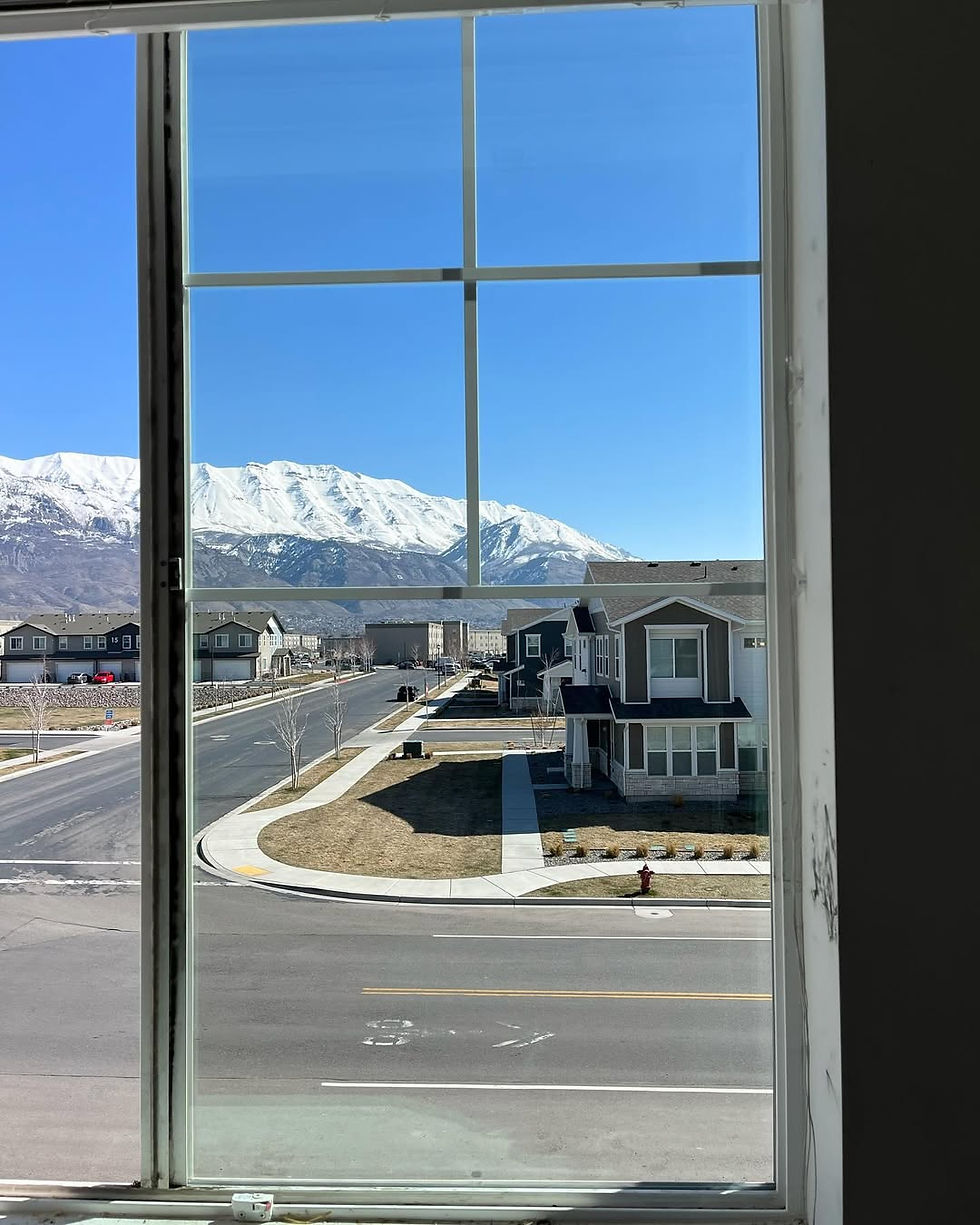
One Bountiful client opted for wood casements framing the Wasatch— the grain adds warmth that vinyl can't touch, and efficiency rivals top-tier options.
Utah-Specific Verdict: Which to Choose in 2025?
It boils down to your lifestyle: Vinyl wins for urban efficiency in growing spots like Lehi, where low costs and durability shine. Wood triumphs in scenic enclaves like Moab, elevating views with organic elegance. Hybrids? The sweet spot for most, combining vinyl's ease with wood's soul.
Projections show vinyl holding 2025's market lead, but wood's 15% growth signals a trend toward personalized luxury. Whichever you pick, pair with Low-E glass for Utah's solar extremes.
Ready to decode your perfect fit? 2 Brothers Team offers free side-by-side consultations. Let's window-shop your way to a cozier home this fall.


Comments